
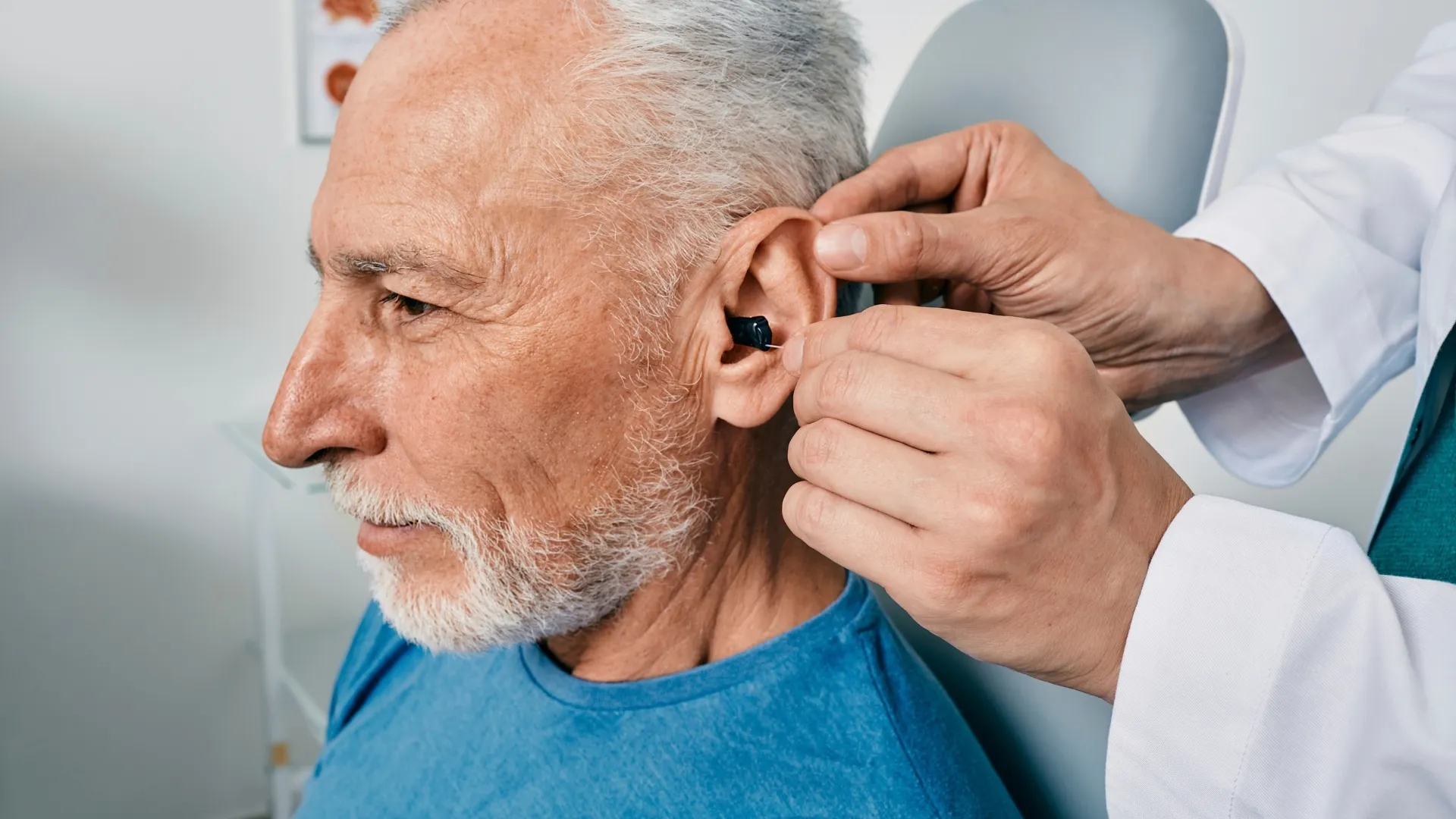
Many people think the hearing aid fitting is the final step in improving their hearing experience. In reality, follow-up appointments are an important part of ongoing hearing care. These visits give your hearing care professional a chance to check comfort, answer questions, and make adjustments based on your daily experiences.
A hearing aid should fit into your life, not the other way around. As you wear your devices in different situations, you may notice things that were not obvious during your first appointment. Follow-up care helps make sure your hearing aids continue meeting your needs.
Your First Few Weeks Reveal A Lot
The first weeks with hearing aids are a learning period. Sounds that were difficult to notice before may suddenly seem different, including background noises, voices, and everyday sounds around your home.
During a follow-up visit, your provider can discuss what you are hearing and what feels comfortable. You can share situations where your hearing aids work well and places where you still have challenges.
What Happens During a Follow-Up Visit?
A follow-up appointment is focused on your experience. Your provider will ask questions about how often you wear your hearing aids, what environments you spend time in, and any concerns you have noticed.
Common parts of a follow-up visit may include:
- Checking how your hearing aids fit and feel throughout the day
- Reviewing cleaning and maintenance routines
- Adjusting sound settings based on your feedback
- Answering questions about features and controls
- Checking for any issues affecting performance
These appointments are not just about fixing problems. They are also an opportunity to learn how to use your hearing aids more confidently.
Small Adjustments Can Make a Difference
Hearing aids are customized devices, and small changes can affect how they sound and feel. Some people may need adjustments for volume, speech clarity, comfort, or specific listening environments.
Manufacturers such as Phonak, Oticon, Starkey, Signia, Widex, and ReSound offer a range of technologies and features. Your hearing care provider can help ensure your devices are set up to support your everyday listening needs.
Bring Real-Life Experiences With You
One of the most helpful things you can do before a follow-up appointment is pay attention to your daily experiences. Hearing aids are designed for real life, not just a quiet office setting.
Consider making notes about situations such as:
- Conversations with family members
- Watching television
- Dining in restaurants
- Attending meetings or social events
- Hearing sounds outdoors
Specific examples help your provider understand what is working and where additional adjustments may be helpful.
Why Follow-Up Care Is Worth Your Time
Some people avoid follow-up appointments because they believe they should already be comfortable with their hearing aids. However, adapting to new devices takes time, and questions often come up after you begin using them regularly.
Regular appointments also help you stay ahead of minor concerns. A change in sound quality, comfort, or battery performance may be easier to address when noticed early.
Preparing for Your Appointment
Arriving with questions can make your follow-up visit more productive. Bring your hearing aids, chargers or batteries, and any notes about difficult listening situations. Sharing your daily routine gives your provider a clearer picture of how your devices fit into your life.
Building Confidence With Your Hearing Aids
A successful hearing aid experience is not only about the technology itself. It also depends on how comfortable you feel using your devices in everyday situations.
Follow-up visits give you a chance to build confidence, improve your understanding of your hearing aids, and ensure they continue to support your communication goals. Consistent care can help you feel more prepared for the conversations and activities that matter most.
Making Hearing Care a Long-Term Partnership
Hearing changes over time, and your listening needs may change as well. Follow-up appointments create an ongoing connection with your hearing care professional so adjustments and questions can be addressed as they arise.
Your hearing aids are an investment in better communication, but the support that comes with them is just as important. Staying engaged with follow-up care helps you get the most value from your devices and your overall hearing experience.
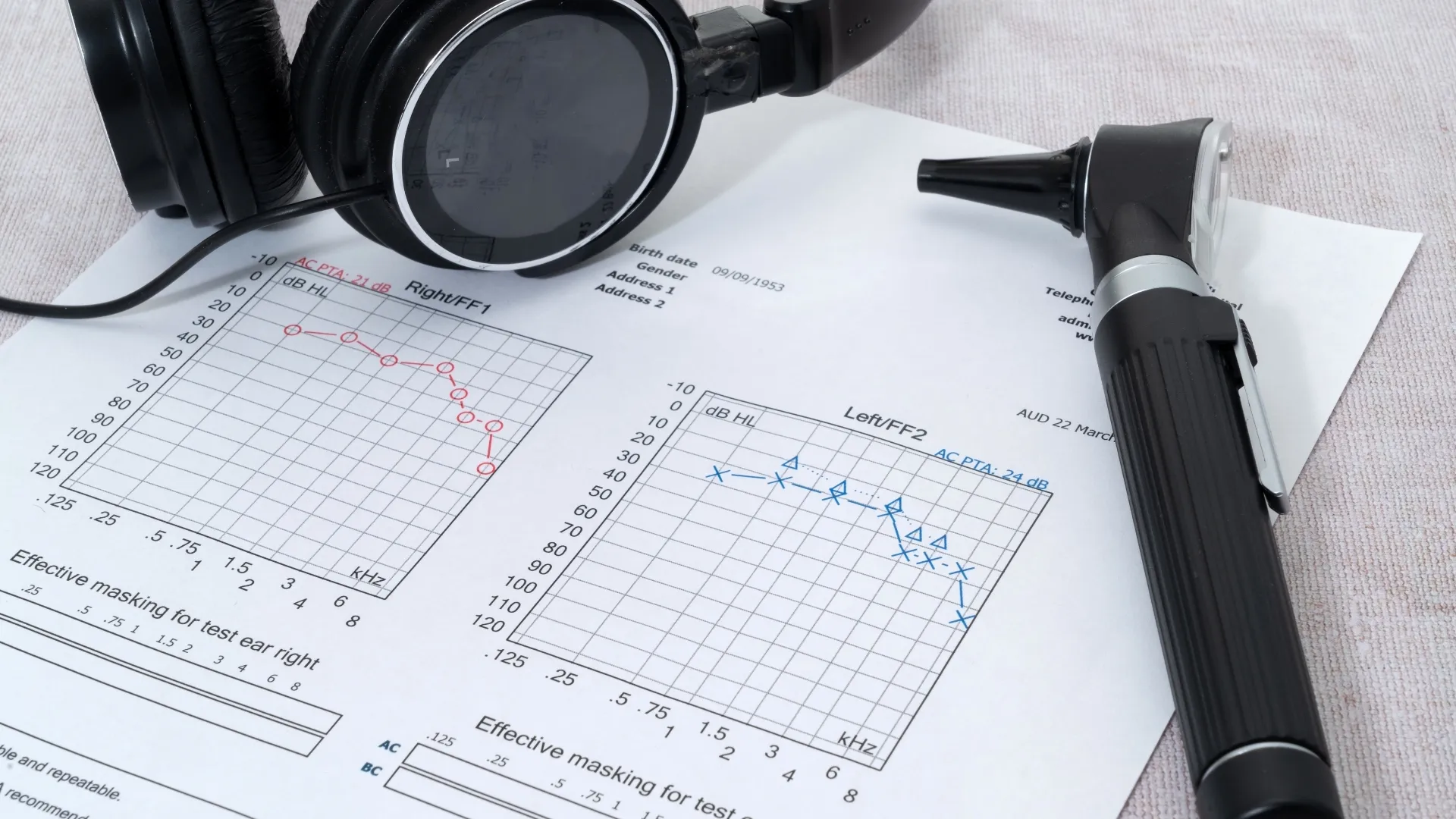
What Can Make Your Hearing Test Results Change Over Time?
A hearing test gives you a snapshot of how well you hear at one point in time. If you have had more than one hearing test, you may notice that the results are not exactly the same. This does not mean something is wrong with the test. Hearing can change, and several everyday factors can affect how you hear and…
Matthew Favinger, M.S., F-AAA
What Happens During a Hearing Aid Follow-Up Appointment and Why It Matters
Many people think the hearing aid fitting is the final step in improving their hearing experience. In reality, follow-up appointments are an important part of ongoing hearing care. These visits give your hearing care professional a chance to check comfort, answer questions, and make adjustments based on your daily experiences. A hearing aid should fit into your life, not the…
Matthew Favinger, M.S., F-AAA

How Seasonal Allergies and Colds Can Affect Your Hearing
A stuffy nose, sore throat, and congestion are common signs of seasonal allergies or a cold. While most people think about these symptoms affecting breathing and comfort, they can also influence how well you hear. Changes in hearing during allergy season or after an illness are often related to pressure and fluid changes in the ear. Understanding why these changes…