

A stuffy nose, sore throat, and congestion are common signs of seasonal allergies or a cold. While most people think about these symptoms affecting breathing and comfort, they can also influence how well you hear.
Changes in hearing during allergy season or after an illness are often related to pressure and fluid changes in the ear. Understanding why these changes happen can help you recognize when symptoms are temporary and when it may be time to seek professional guidance.
The Connection Between Your Ears and Sinuses
Your ears, nose, and throat are closely connected. A small passage called the Eustachian tube helps balance pressure between your middle ear and the back of your throat.
When allergies or a cold cause swelling and congestion, this tube may not work as effectively. Pressure can build behind the eardrum, creating a feeling of fullness or making sounds seem muffled.
Common Hearing Changes During Allergy Season
Seasonal allergies affect people differently. Some may notice only mild discomfort, while others experience changes that interfere with daily conversations.
Common experiences may include:
- A feeling of pressure or fullness in the ears
- Sounds seem quieter or less clear
- Difficulty hearing in certain situations
- Popping or clicking sensations when swallowing
- Temporary changes in how voices sound
These symptoms may improve as congestion decreases. However, ongoing hearing changes should not be ignored.
Why Sounds May Seem Different When You Are Sick
When your ears feel blocked, sound may not travel through the ear as efficiently as usual. This can create a temporary reduction in hearing clarity.
Many people describe this feeling as being underwater or having cotton placed in their ears. While this can be frustrating, it is often related to changes in pressure rather than permanent hearing loss.
Knowing When Symptoms Need Attention
A cold or allergy flare-up may explain temporary hearing changes, but some situations deserve additional attention. If hearing does not return to normal after you recover, or if symptoms continue to interfere with daily activities, a hearing evaluation can help identify what may be happening.
You should also pay attention to other changes, such as discomfort, drainage, dizziness, or a sudden change in hearing. These concerns may require professional evaluation to better understand the cause.
Protecting Your Hearing During Allergy Season
Managing congestion and taking care of your overall health may help reduce discomfort during allergy season. Simple habits can support ear comfort while your body recovers.
Consider these everyday tips:
- Stay hydrated to help keep mucus thinner.
- Follow your healthcare provider’s recommendations for allergy management.
- Avoid inserting objects into your ears to remove pressure or fluid.
- Practice good hygiene to reduce the spread of colds.
- Give your body time to recover before returning to demanding activities.
While these steps may support comfort, they do not replace professional advice if hearing changes continue.
How Illness Can Affect Hearing Aid Users
People who wear hearing aids may notice temporary changes during allergy season or when they have a cold. Congestion, changes in ear pressure, or increased moisture around the ear can affect comfort and sound perception.
If your hearing aids suddenly seem different, check that they are clean and functioning properly. If the change continues, a hearing care professional can help determine whether your devices need attention or whether the change may be related to your ears.
Stay Aware of Changes in Your Hearing
Seasonal allergies and colds can make everyday sounds feel different, but these changes are not always easy to understand. Paying attention to patterns and noticing when symptoms begin can help you make better decisions about your hearing health.
If hearing changes last longer than expected, a hearing check can provide more information about what may be affecting your ability to hear clearly.
Keeping Your Ears Healthy Through Every Season
Your hearing can be influenced by many factors, including temporary illnesses, allergies, and changes in your environment. Taking care of your ears throughout the year helps you stay aware of changes and respond when something feels different.
Whether you experience occasional congestion or ongoing hearing concerns, understanding the connection between seasonal health and hearing can help you stay proactive. Small changes in awareness can make it easier to protect your hearing and continue enjoying everyday conversations.
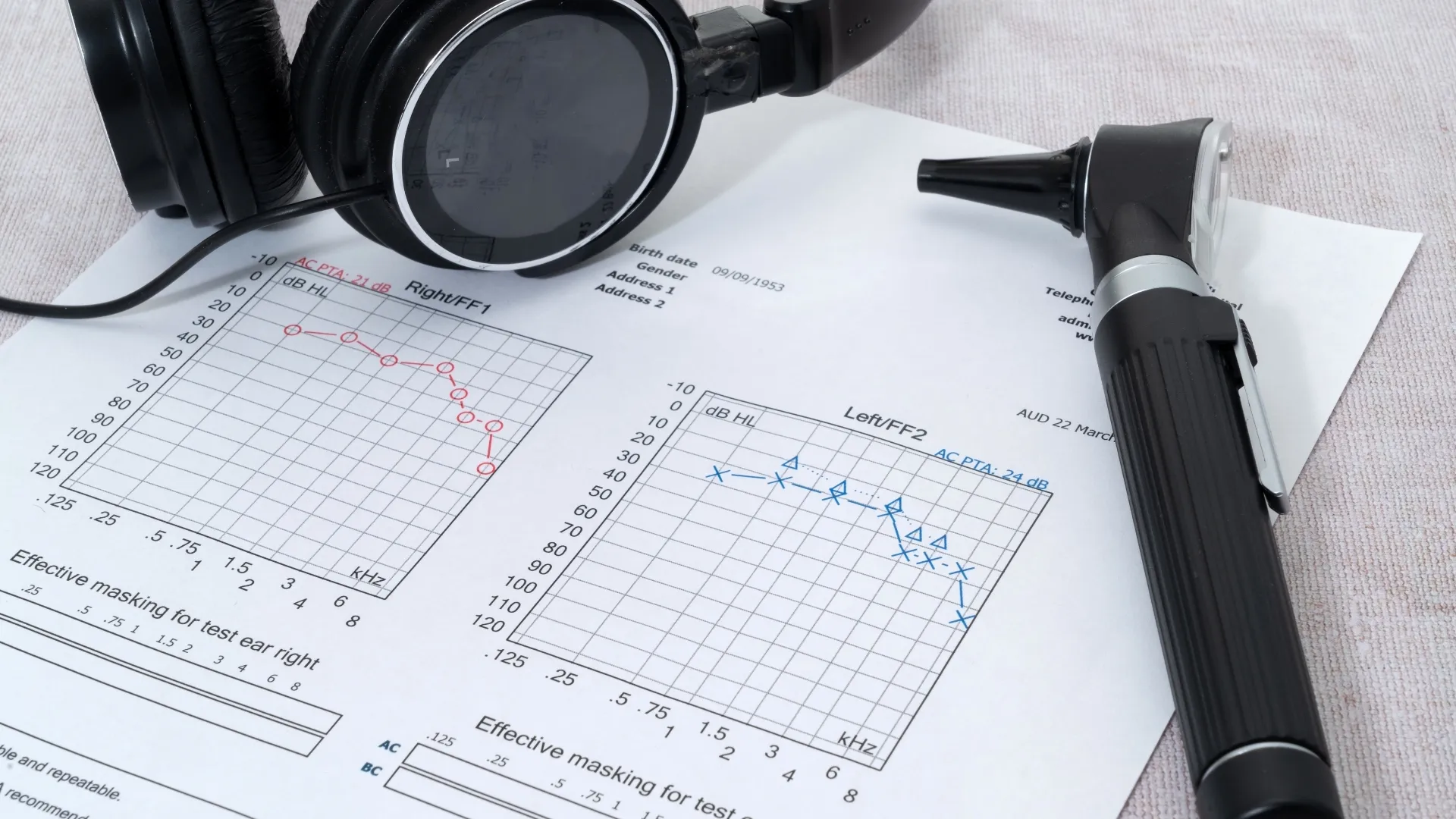
What Can Make Your Hearing Test Results Change Over Time?
A hearing test gives you a snapshot of how well you hear at one point in time. If you have had more than one hearing test, you may notice that the results are not exactly the same. This does not mean something is wrong with the test. Hearing can change, and several everyday factors can affect how you hear and…
Matthew Favinger, M.S., F-AAA
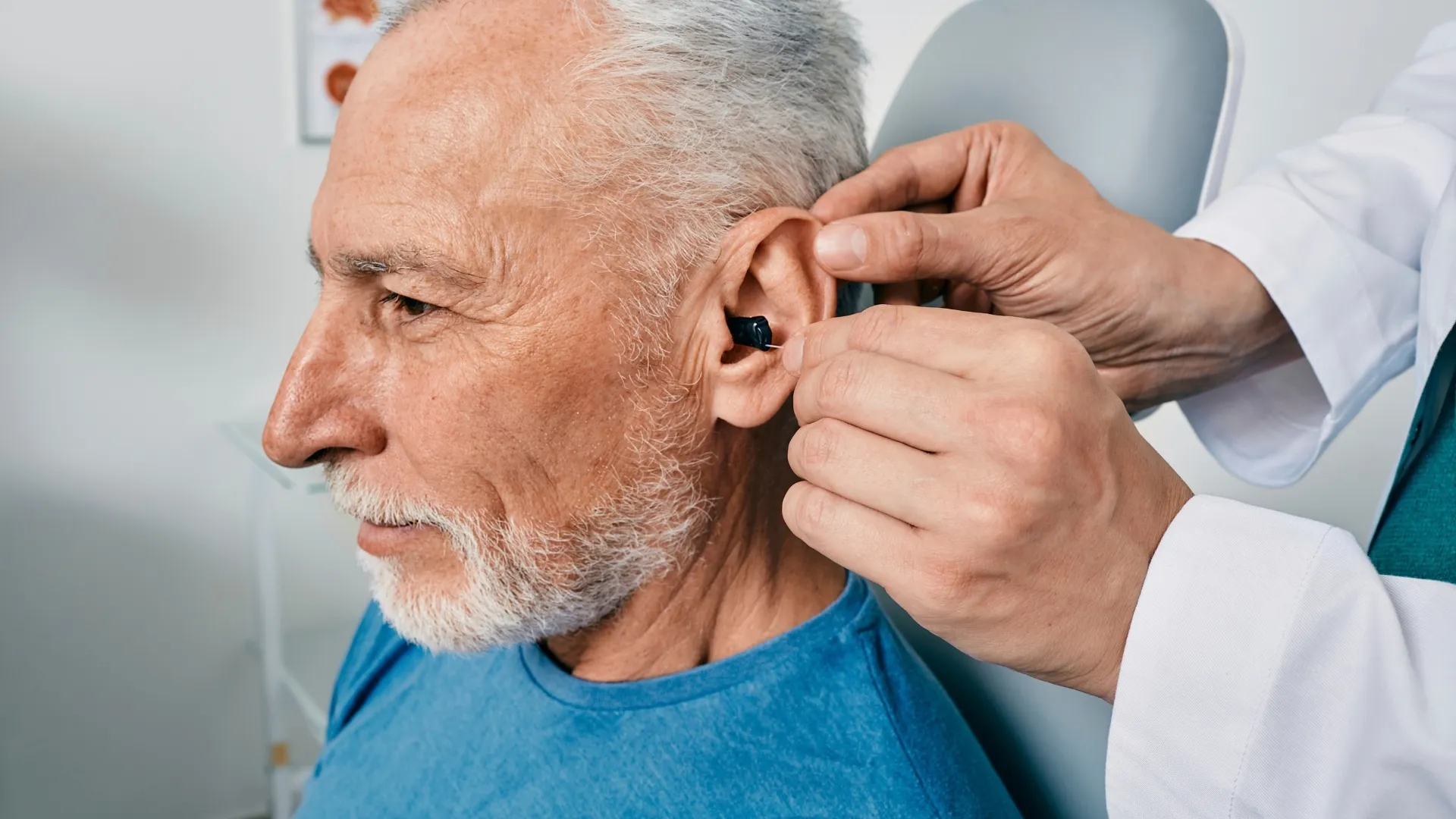
What Happens During a Hearing Aid Follow-Up Appointment and Why It Matters
Many people think the hearing aid fitting is the final step in improving their hearing experience. In reality, follow-up appointments are an important part of ongoing hearing care. These visits give your hearing care professional a chance to check comfort, answer questions, and make adjustments based on your daily experiences. A hearing aid should fit into your life, not the…
Matthew Favinger, M.S., F-AAA
How Seasonal Allergies and Colds Can Affect Your Hearing
A stuffy nose, sore throat, and congestion are common signs of seasonal allergies or a cold. While most people think about these symptoms affecting breathing and comfort, they can also influence how well you hear. Changes in hearing during allergy season or after an illness are often related to pressure and fluid changes in the ear. Understanding why these changes…