
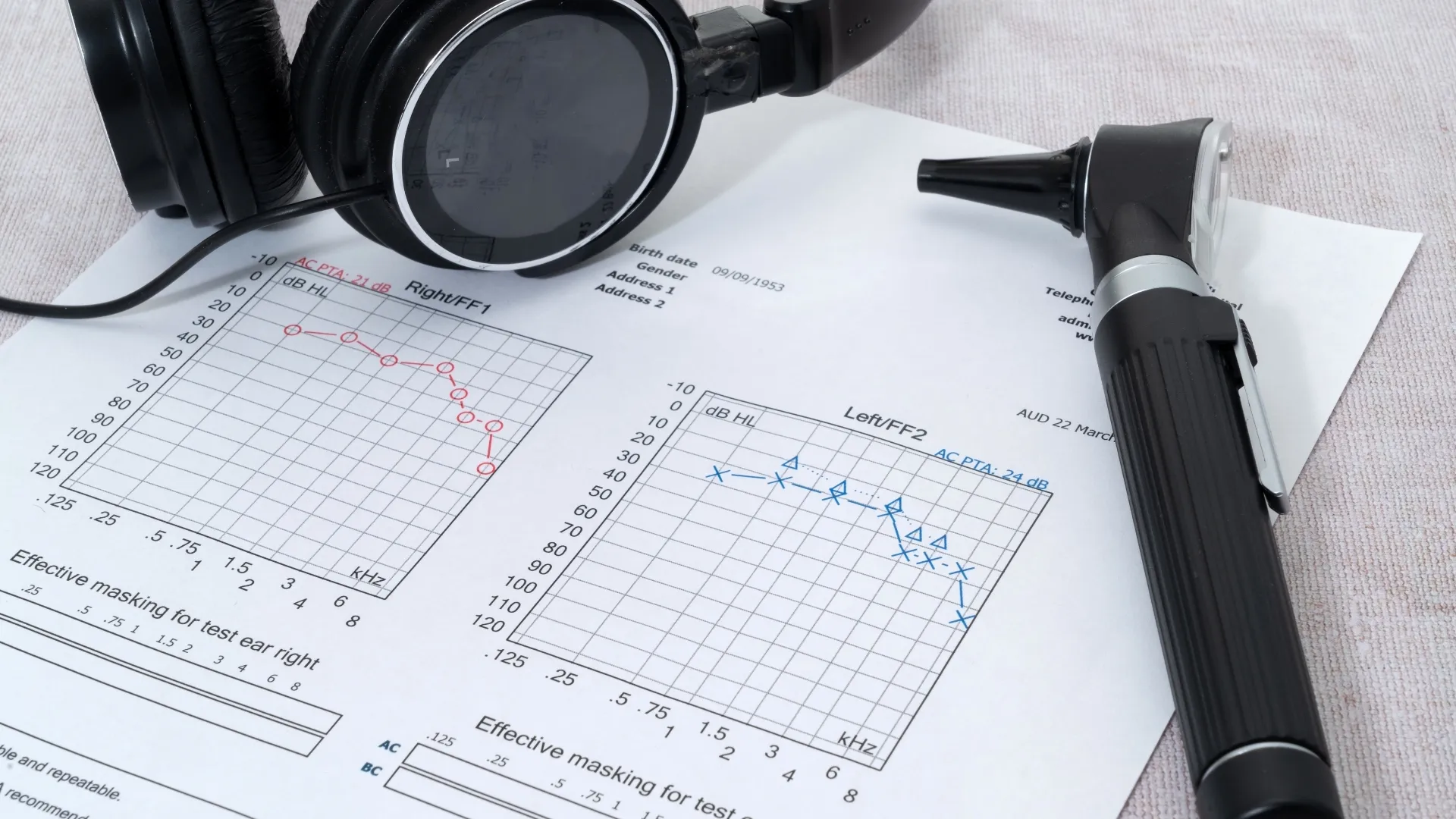
A hearing test gives you a snapshot of how well you hear at one point in time. If you have had more than one hearing test, you may notice that the results are not exactly the same. This does not mean something is wrong with the test. Hearing can change, and several everyday factors can affect how you hear and respond during testing.
Understanding why hearing test results may change can make your appointments easier to understand. It can also help you notice changes in your hearing before they begin to interfere with conversations, work, or activities you enjoy.
Hearing Can Change Gradually
One reason results may differ is simple: your hearing may have changed. Hearing can shift over time because of age, repeated exposure to loud sounds, certain ear conditions, or other factors. Sometimes the change is small enough that you do not notice it during everyday conversations.
A new hearing test can show differences that are difficult to recognize on your own. Comparing current results with older results gives your hearing care provider useful information about how your hearing has changed.
Your Testing Environment Matters
A hearing test is designed to control the listening environment as much as possible. Even so, your experience during an appointment can vary. If you are tired, distracted, uncomfortable, or having trouble concentrating, responding to very soft sounds may feel more difficult.
Your answers also depend on understanding the instructions and responding when you hear a tone. If you are unsure whether you heard something, tell the person conducting the test rather than trying to guess what answer is expected. Good communication helps make the test more useful.
Your Ears May Not Change at the Same Rate
It is also possible for the two ears to change differently. You may have similar hearing in both ears during one test and notice a larger difference at a later appointment. This can affect how you understand speech, especially when someone is speaking from one side or when background noise is present.
Pay attention to everyday clues between appointments. You might notice that you turn your head to hear better, prefer one side during conversations, or have more trouble following speech in busy places. These details can be just as useful as the numbers on an audiogram.
Look Beyond One Number
A hearing test measures more than whether you can hear a tone. Depending on the evaluation, your provider may look at how well you understand speech and how your ears respond to different sounds. The results can help create a clearer picture of your hearing needs.
This is why a small change on an audiogram does not necessarily tell the whole story. Your hearing concerns, daily experiences, and previous test results all provide helpful context. If your test results change, your provider can explain what the difference may mean for you.
Keep Track of Changes
Between hearing tests, make a mental note of situations that have become harder. Useful examples include:
- Asking people to repeat themselves more often
- Turning up the television or radio
- Having difficulty hearing in restaurants or groups
- Missing sounds from one side
- Finding conversations more tiring than they used to be
These changes do not automatically mean that your hearing has worsened. They are simply useful observations to share during your next hearing evaluation.
A New Test Can Add Helpful Information
Hearing tests are not a one-time answer to every hearing question. Results can provide a baseline and help your provider notice changes over time. For returning patients, comparing current and past results can be especially helpful because it shows a pattern rather than relying on memory alone.
If your hearing seems different from the last time you were tested, mention it. A change in your daily listening experience is worth discussing, even if you are not sure whether it is related to your hearing.
Understanding Your Hearing Over Time
Your hearing can change in ways that are gradual, uneven, or easy to overlook. A hearing test helps put those changes into measurable information, while your everyday experiences add another important piece to the picture. Keeping track of what you notice can make each appointment more useful and help you better understand your hearing from one test to the next. Book an appointment to get your hearing checked today.
What Can Make Your Hearing Test Results Change Over Time?
A hearing test gives you a snapshot of how well you hear at one point in time. If you have had more than one hearing test, you may notice that the results are not exactly the same. This does not mean something is wrong with the test. Hearing can change, and several everyday factors can affect how you hear and…
Matthew Favinger, M.S., F-AAA

What Happens During a Hearing Aid Follow-Up Appointment and Why It Matters
Many people think the hearing aid fitting is the final step in improving their hearing experience. In reality, follow-up appointments are an important part of ongoing hearing care. These visits give your hearing care professional a chance to check comfort, answer questions, and make adjustments based on your daily experiences. A hearing aid should fit into your life, not the…
Matthew Favinger, M.S., F-AAA

How Seasonal Allergies and Colds Can Affect Your Hearing
A stuffy nose, sore throat, and congestion are common signs of seasonal allergies or a cold. While most people think about these symptoms affecting breathing and comfort, they can also influence how well you hear. Changes in hearing during allergy season or after an illness are often related to pressure and fluid changes in the ear. Understanding why these changes…